

Main Panel Upgrades (MPU) for Safe and Efficient Solar Systems
Apr 10, 2026
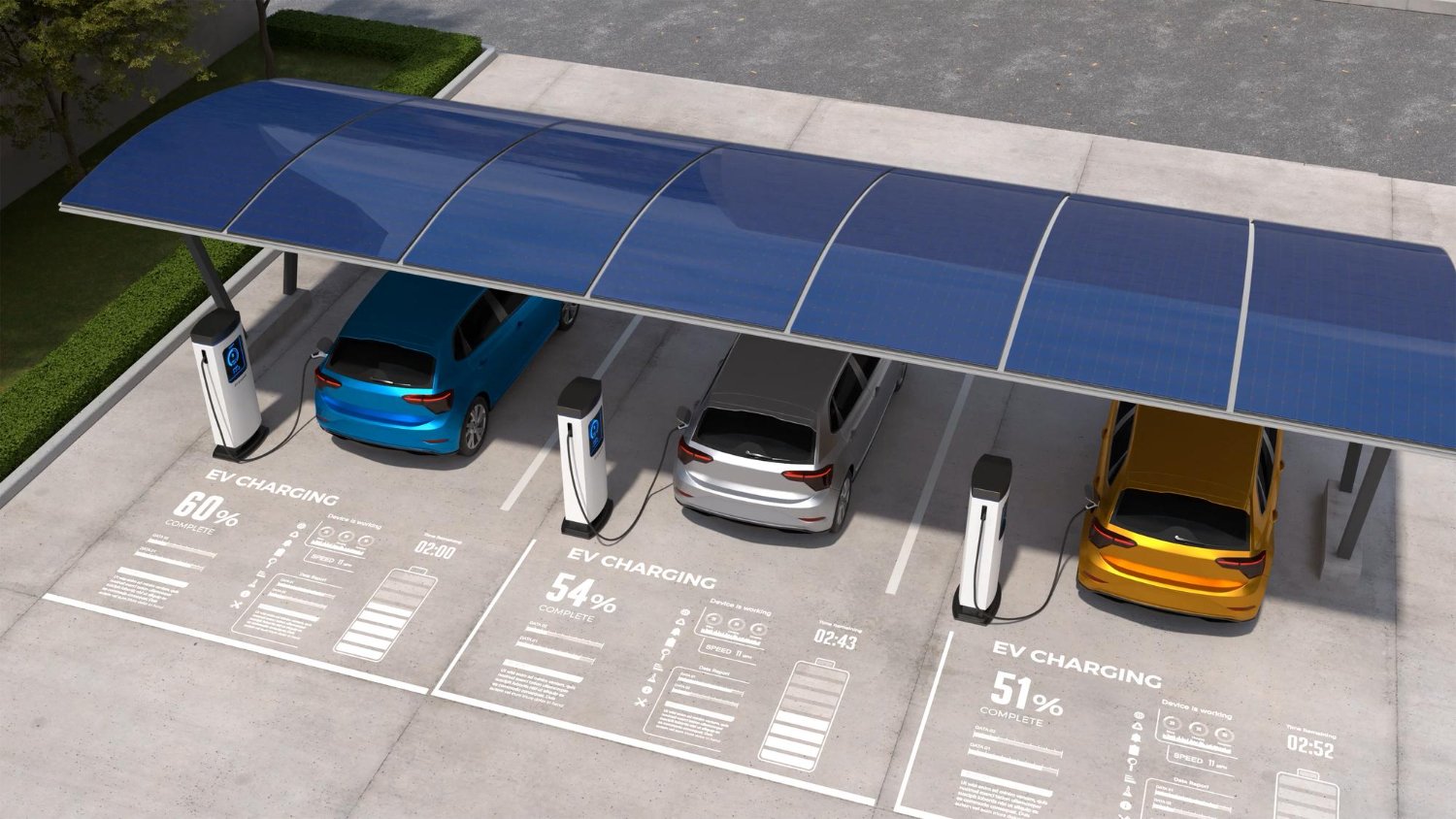
Electric vehicles (EVs) are rapidly becoming a key part of the global shift toward cleaner and more efficient mobility. However, the success of EV adoption does not depend on vehicles alone—it heavily relies on the availability and expansion of EV charging stations. These charging stations form the backbone of sustainable transportation systems by making electric mobility practical, accessible, and environmentally beneficial.
In this blog, we explore how EV charging stations support sustainable transportation and contribute to a greener future.
One of the most important benefits of EV charging stations is their role in reducing greenhouse gas emissions. Traditional petrol and diesel vehicles release significant amounts of carbon dioxide (CO₂), contributing to climate change and air pollution.
EV charging stations enable more drivers to switch to electric vehicles, which produce zero tailpipe emissions. When these vehicles are powered by renewable energy sources such as solar or wind, the overall environmental impact becomes even lower. Studies show that integrating electric mobility with cleaner electricity grids can significantly reduce transportation-related emissions and help achieve climate targets like net-zero goals.
By supporting widespread EV adoption, the charging infrastructure directly contributes to cleaner air and healthier urban environments.
A major challenge in EV adoption is “range anxiety”—the fear that a vehicle will run out of charge before reaching a charging point. This concern has historically slowed down the shift from fuel-based vehicles to electric mobility.
EV charging stations help solve this problem by providing reliable access to charging across cities, highways, workplaces, and residential areas. As charging networks expand, drivers feel more confident about long-distance travel and daily commuting in EVs.
Research highlights that insufficient charging infrastructure is one of the main barriers to EV adoption, making expansion of charging networks essential for sustainable transport growth.
EV charging stations are not just energy outlets—they are becoming important components of modern energy systems. Many new charging stations are designed to integrate with renewable energy sources, such as:
This integration helps reduce dependence on fossil fuels for electricity generation. Some advanced charging stations even use hybrid systems that combine renewable energy and storage to ensure a continuous, stable supply of power.
By linking transportation with clean energy, EV charging infrastructure strengthens the foundation of sustainable mobility.
Electric vehicles are already more energy-efficient than internal combustion engine vehicles. However, charging infrastructure further enhances this efficiency by optimizing the distribution and use of energy.
Modern EV charging stations use smart charging technology, which helps:
While EV charging does place additional demand on electricity grids, proper infrastructure planning and smart systems help minimize disruptions and improve energy efficiency.
This makes EV charging stations an important part of a more intelligent and efficient transportation ecosystem.
EV charging stations are becoming essential features of smart cities. Urban planners are integrating charging infrastructure into:
This integration encourages the use of electric mobility for daily commuting and reduces dependence on fossil-fuel-based transportation within cities.
Additionally, widespread charging infrastructure supports better urban planning by reducing noise pollution and improving air quality, making cities more livable and sustainable.
The expansion of EV charging stations is also accelerating innovation in transportation and energy technologies. Some of the emerging developments include:
These innovations are improving convenience for EV users and making electric mobility more practical for all types of transportation—from two-wheelers to buses and commercial fleets.
Such advancements are essential for scaling sustainable transportation.
Transportation is one of the largest consumers of fossil fuels worldwide. EV charging stations help reduce this dependence by enabling a shift toward electricity-powered mobility.
As the electricity grid becomes greener with increased adoption of renewable energy, the environmental benefits of EV charging continue to grow. This transition supports energy independence and reduces the economic and environmental risks associated with oil and fuel imports.
The expansion of EV charging infrastructure also contributes to economic sustainability. It creates opportunities in:
This growing ecosystem supports green jobs and encourages investment in clean energy industries, further strengthening sustainable development goals.
EV charging stations contribute not only to immediate emission reductions but also to long-term environmental sustainability. Over time, as more EVs replace traditional vehicles and renewable energy becomes more dominant, the environmental benefits multiply.
Life cycle studies show that EVs combined with cleaner energy sources significantly reduce total greenhouse gas emissions compared to conventional transportation systems.
This long-term transformation is essential for achieving a sustainable transportation future.
Switch to smarter, cleaner mobility with Starlight Energy EV charging solutions. Build a sustainable future with a reliable charging infrastructure that supports electric vehicles and reduces environmental impact for everyone today.
EV charging stations enable electric vehicles to operate efficiently by providing accessible charging points. They help reduce dependence on fossil fuels and support the shift toward cleaner, low-emission transportation systems.
Yes. EV charging stations support the use of electric vehicles, which produce zero tailpipe emissions. When powered by renewable energy sources, they significantly reduce air pollution and greenhouse gas emissions.
Many modern EV charging stations integrate with solar, wind, or hybrid energy systems. This allows vehicles to be charged with clean energy rather than fossil-fuel-based electricity, improving overall sustainability.
Range anxiety is the fear that an EV will run out of charge before reaching a charging point. Expanding charging infrastructure reduces this concern by ensuring drivers can easily find charging stations for daily and long-distance travel.
Yes. EV charging stations are a key part of smart city infrastructure. They support cleaner transportation, reduce noise and air pollution, and integrate with intelligent energy systems for better urban planning.
EV charging stations, especially smart chargers, help optimize energy use by managing load distribution, reducing peak demand, and improving grid stability, making the overall system more efficient.
By encouraging EV adoption, integrating renewable energy, and reducing reliance on fossil fuels, EV charging stations play a major role in building a cleaner, more sustainable transportation ecosystem for the future.